
A Smarter Way to Upgrade Aging Elevators While Preserving Valuable Components
Few things test a building’s patience quite like an elevator that hesitates between floors, groans through every trip, or keeps passengers guessing about its next arrival. Those little frustrations often lead property owners to assume an entirely new installation is the only answer. Fortunately, Elevator Modernization offers another route. Instead of stripping out equipment that still has years of useful service ahead, specialists can improve selected systems and keep the dependable parts in place. The result can be a more responsive lift, a friendlier experience for everyone using it, and a project that makes better use of an existing building’s resources.
The smartest place to begin is with a thorough look at what is actually happening behind the doors. An experienced elevator contractor can inspect the controller, motor, brakes, door equipment, wiring, and, where applicable, hydraulic machinery. Maintenance records and recurring service calls also tell a useful story. Perhaps the doors are causing most of the delays, while the main lifting equipment remains sound. Or an outdated controller is making an otherwise capable elevator feel clumsy and slow. Once those details are clear, the upgrade plan becomes much more focused. There is little value in replacing a healthy component simply because the neighboring one has reached retirement age.
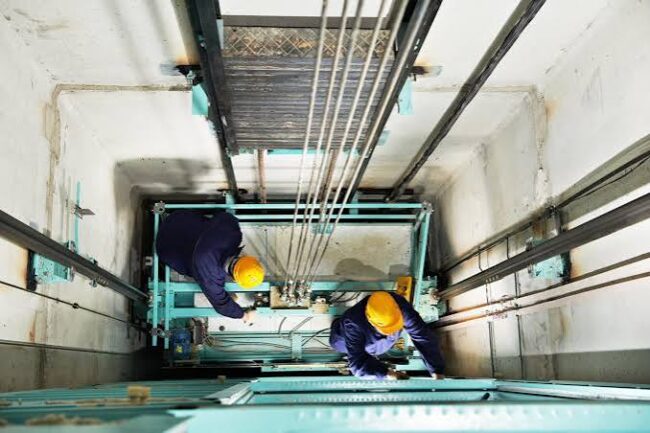
Technology has plenty to contribute, especially in the parts of a lift that passengers rarely see. Updated controls can improve how calls are managed, while compatible drive equipment may help the car accelerate and stop more smoothly. Replacing worn door operators can also make everyday trips less frustrating, since unreliable doors are a common source of interruptions. Communication equipment deserves attention, too. Modern emergency calling features can help passengers reach assistance when needed, provided the installation follows applicable requirements. Each improvement needs to work properly with the equipment being retained, which is why compatibility testing, commissioning, and professional oversight matter as much as the new hardware itself.
Of course, budgets and building schedules have a way of keeping ambitious plans grounded. A busy apartment block cannot treat elevator downtime like a minor inconvenience, and an office building may have limited windows for disruptive work. A staged approach can help managers prioritize urgent issues and plan other improvements around tenant needs. Clear estimates should explain which components are being replaced, why they were selected, and what testing will follow. Owners should also ask about parts availability, ongoing maintenance, accessibility expectations, and current safety codes. A modest upfront saving loses its charm quickly if the finished system becomes difficult to service.
There is something satisfying about giving familiar equipment a fresh sense of purpose. When a lift arrives promptly, opens its doors confidently, and carries people comfortably, most passengers will never think about the engineering choices that made it possible. They will simply notice that their day runs a little more smoothly. That is the practical appeal of Elevator Modernization: thoughtful improvements can preserve valuable machinery while addressing the weaknesses that have developed over time. With a careful assessment, realistic priorities, and qualified technicians, an older elevator can become a reliable part of a building’s future rather than a recurring source of complaints.